
What Omnichannel Really Means in 2025: The Ultimate Guide to Unified Customer Experiences
In 2025, customers don't just want choices—they demand seamless, personalised experiences that flow effortlessly across every touchpoint. But what does omnichannel truly mean in today's AI-powered, mobile-first world?
MARKETING & STRATEGY

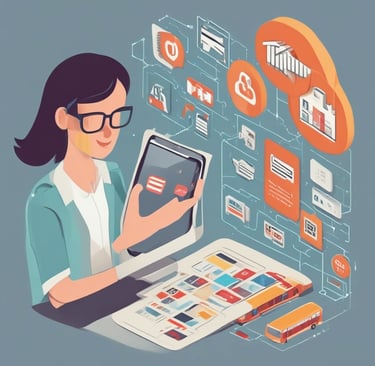
The retail and marketing landscape has transformed dramatically, and omnichannel strategy has evolved from a competitive advantage to an absolute necessity. In 2025, customers don't just want choices—they demand seamless, personalised experiences that flow effortlessly across every touchpoint. But what does omnichannel truly mean in today's AI-powered, mobile-first world?
Beyond the Buzzword: Defining Omnichannel in 2025
Omnichannel marketing isn't just about being present everywhere—it's about creating a unified, consistent experience that puts the customer at the absolute centre. Think of it as the difference between a symphony orchestra and individual musicians playing in separate rooms. Each instrument might sound good alone, but together, they create something extraordinary.
The distinction between multichannel and omnichannel has never been more critical. While multichannel marketing spreads your brand across multiple platforms independently, omnichannel integrates every channel into one cohesive customer journey. Multichannel means presence everywhere; omnichannel means connected, consistent experiences everywhere.
Here's what makes 2025 different: 95% of customer interactions are expected to be powered by artificial intelligence, and the global omnichannel market is projected to reach $11.8 billion by 2025. These aren't just statistics—they represent a fundamental shift in how businesses must operate to survive.
The Numbers Don't Lie: Why Omnichannel Matters More Than Ever
The business case for omnichannel strategy has reached a tipping point. Companies with strong omnichannel strategies retain an impressive 89% of their customers, compared to just 33% for those with weaker approaches. Even more striking, omnichannel marketing can drive sales increases of up to 287%.
Consider these compelling insights that define the 2025 omnichannel landscape:
Customer satisfaction reaches 67% with smooth omnichannel support, compared to just 28% for disconnected multichannel experiences. That's not a marginal improvement—it's a transformational difference that directly impacts your bottom line.
73% of customers use multiple channels before making a purchase, and most consumers now switch between at least three channels during a single purchase journey. Yet only 25% feel that retailers meet their expectation for a smooth experience across all channels.
The opportunity gap is massive. Brands with strong omnichannel strategies grow revenue by 9.5% yearly, compared to just 3.4% for others. Meanwhile, 91% of consumers are more likely to shop with brands that recognize, remember, and provide relevant offers across all channels.
The Customer-Centric Revolution: What Changed in 2025
The fundamental shift in 2025 is from channel-centric thinking to customer-centric orchestration. Modern customers don't care about your internal silos or separate systems. They expect you to know who they are, what they've purchased, and what they need—regardless of whether they're browsing your app at breakfast, visiting your store at lunch, or completing a purchase on their laptop at midnight.
The Gen Z Effect
Gen Z has become the driving force behind omnichannel trends. Having grown up alongside rapid technological advancements, more than half of Gen Zers feel more insecure without their smartphone than without their wallet. Two-thirds use their smartphones to search for coupons and offers in-store, and almost 32% say a retailer's mobile app helps them discover new brands.
This isn't just about young consumers—it's about the future of all consumer behaviour. Gen Z expectations are rapidly becoming universal expectations.
The AI-Powered Personalisation Engine
In 2025, AI-driven personalisation isn't optional—it's the foundation of successful omnichannel strategies. Artificial intelligence enables businesses to deliver hyper-personalised experiences at scale by:
Predictive analytics that forecast which products a customer will buy next, before they even search for them
Real-time personalisation that analyses customer behaviour and provides customised recommendations instantly, increasing conversions by up to 20%
Dynamic content that tailors email banners, app screens, and website experiences based on individual customer history and preferences
AI-powered chatbots offering 24/7 customer support across channels, with the context and history maintained seamlessly
Companies implementing AI-powered omnichannel transformations report 25% increases in customer satisfaction, 30% increases in conversion rates, and 20% boosts in revenue year-over-year.
The Technology Stack: Building Your Omnichannel Foundation
Creating truly seamless omnichannel experiences requires the right technological infrastructure. The most successful implementations in 2025 leverage:
Unified Customer Data Platforms (CDPs) that consolidate information from websites, mobile apps, in-store visits, social media interactions, and IoT devices into comprehensive customer profiles
Marketing automation platforms that enable behavioural triggers, cross-channel workflows, and personalised messaging at scale
Real-time inventory management systems provide complete visibility into stock levels across all channels, preventing the frustration of "available online but not in-store" scenarios
AI-driven recommendation engines that suggest products in real-time across apps, websites, and physical stores
Integrated CRM systems ensuring every customer interaction—whether through email, chat, phone, or in-person—is tracked and accessible to all team members
Real-World Omnichannel Excellence: Lessons from Industry Leaders
The best way to understand omnichannel execution is through brands doing it exceptionally well in 2025.
Disney's Magic Band Experience: Disney created one of the most comprehensive omnichannel customer experiences imaginable. Through their "My Disney Experience" platform, guests plan every detail of their trip online. Once at the park, the mobile app provides real-time wait times, directions, and attraction information. The Magic Band serves as a hotel room key, payment method, photo storage device, and line-skip tool—all seamlessly integrated into one unified experience.
Starbucks' Integrated Ecosystem: By integrating AI-powered chatbots and mobile apps, Starbucks provides seamless customer experiences across channels. Customers can order via app, earn rewards in-store, reload their card on any device, and receive personalized recommendations based on purchase history—all while maintaining a consistent experience.
Sephora's Beauty Insider Program: Sephora's omnichannel strategy includes an integrated mobile app offering virtual try-ons using augmented reality, in-store iPads that access online shopping carts and wishlists, and a unified loyalty program that tracks purchases across all channels.
Target's BOPIS Strategy: Target uses real-time inventory synchronization between online and offline stores, allowing customers to check local store availability before purchasing. Their "Buy Online, Pick Up In Store" and "Ship from Store" strategies ensure better inventory accuracy and reduce customer disappointment.
The Seven Pillars of Omnichannel Success in 2025
Building an effective omnichannel strategy requires a systematic approach. Here are the fundamental pillars:
1. Comprehensive Customer Understanding
Start by deeply understanding your customers' preferences, behaviors, and channel usage patterns. Conduct surveys, analyze traffic statistics, and gather direct feedback. Segment your audience not just by demographics but by behavioral criteria to map usage patterns and determine personas.
2. Unified Data Architecture
Create a centralized data structure where customer information from online shops, physical stores, mobile apps, and social media feeds into one unified system. This eliminates data silos and enables real-time personalization across all touchpoints.
3. Seamless Channel Integration
Ensure customers can move effortlessly between channels without encountering friction. A customer who starts browsing on mobile should find the same items in their cart when they switch to desktop. A support conversation begun via chat should continue smoothly when escalated to phone support—without repeating information.
4. Consistent Brand Voice and Messaging
Maintain unified branding, messaging, and visual identity across all platforms. Inconsistent experiences erode trust and make customers question your organization's competence.
5. AI-Driven Personalisation at Scale
Leverage artificial intelligence and machine learning to analyse customer data, predict preferences, and deliver tailored experiences across every channel. Use behavioural triggers, dynamic content, and cross-channel workflows to ensure customers receive the right message on the right channel at exactly the right time.
6. Real-Time Inventory and Fulfillment Orchestration
Implement intelligent systems that provide accurate, real-time visibility into inventory across warehouses, stores, and third-party vendors. Use AI-powered order orchestration engines that choose the best location to fulfill each item based on availability, speed, and cost.
7. Continuous Measurement and Optimization
Track key metrics including customer retention rates, customer lifetime value (CLV), Net Promoter Score (NPS), conversion rates, and channel-specific performance. Regularly test personalization strategies and optimize based on real-time data and customer feedback.
Overcoming Implementation Challenges: A Practical Roadmap
While the benefits are clear, implementing omnichannel strategies comes with significant challenges. Here's how to address the most common obstacles:
Fragmented Customer Data: The solution lies in implementing unified CRM systems that centralize customer data from all channels, providing a comprehensive 360-degree view of customer interactions
Technology Integration Issues: Conduct thorough technology audits to identify constraints and barriers. Choose platforms designed for seamless integration and consider unified commerce solutions that consolidate sales, fulfillment, and service processes
Inconsistent Cross-Channel Experiences: Adopt cross-channel marketing platforms that align messaging and offer consistent experiences whether customers start on social media and end with in-store purchases
Inventory Management Complexity: Implement AI-driven demand forecasting tools to analyze shopping patterns and optimize inventory levels, reducing excess inventory by up to 20% and stockouts by 30%
Lack of Attribution: Use robust marketing technology that monitors every channel where your brand is active and tracks the entire customer journey—not just the point of conversion
Organizational Resistance: Ensure you have support from decision-makers and communicate transparently with employees about the transformation. Remember that for every $1 spent on digital solutions, you should spend at least another $1 ensuring full organizational adoption
The Future is Now: Emerging Trends Shaping 2025 and Beyond
The omnichannel evolution continues to accelerate. These trends are defining the cutting edge:
Voice and Conversational Commerce: Integration of Alexa, Google Assistant, and WhatsApp chatbots into the buying journey is becoming standard
Augmented Reality Shopping: Virtual try-ons for fashion, furniture, and beauty are transitioning from novelty to necessity. Brands like IKEA and Nykaa are already delighting customers with AR experiences.
Social Commerce Integration: Social media platforms like Instagram, TikTok, and Facebook are becoming direct shopping channels, allowing customers to purchase products without leaving the app
Privacy-First Data Strategies: With stricter regulations, zero-party and first-party data collection strategies are dominating, requiring more transparent and value-exchange approaches to data gathering
Sustainability as a Differentiator: 73% of global consumers are willing to change their consumption habits to reduce environmental impact. Omnichannel strategies increasingly prioritize sustainable practices and transparent supply chains.
Contactless and Cashierless Experiences: The global contactless payment market will reach $213.39 billion by 2034. Automated technologies like self-checkout kiosins, mobile payments, and AI-powered cashierless stores are reducing friction in the shopping process.
Measuring ROI: Proving the Value of Omnichannel Investment
For marketing leaders and business owners, demonstrating return on investment is critical. The data shows compelling results:
Marketing campaigns using three or more channels achieve 18.96% engagement rates, compared to just 5.4% for single-channel campaigns. Omnichannel customers spend 10% more online and 4% more in-store than single-channel shoppers.
Companies implementing omnichannel strategies see 10-15% increases in customer retention rates year-over-year. Retailers achieving high omnichannel maturity report 27% lower fulfillment costs and 18% reduced cart abandonment rates.
The impact extends beyond immediate sales. 45% of firms see better customer engagement, 35% retain more customers, and 35% report improved customer loyalty due to omnichannel engagement. Furthermore, 46% note a rise in customer lifetime value.
Your Action Plan: Getting Started with Omnichannel in 2025
Ready to transform your customer experience? Here's your practical implementation roadmap:
Assess Your Current State: Examine your sales channels and compare them to your customers' buying paths and needs. Identify which channels they use and how they want to buy.
Evaluate Organizational Readiness: Secure support from decision-makers and communicate transparently with employees. Ensure you have team members who can develop, maintain, and use omnichannel tools.
Conduct a Technology Audit: Review existing IT architecture to identify constraints and opportunities. Determine whether you can optimize existing resources or need to redesign your technical foundation.
Create a Detailed Action Plan: Decide where to start, set milestones, and establish measures of success. Consider whether you need external partners to support implementation.
Start Small and Scale: Begin with 2-3 priority platforms that drive the most engagement. Test unified experiences on small customer journeys like cart recovery, support follow-ups, or appointment reminders.
Implement and Iterate: Launch your initial omnichannel initiatives and continuously monitor performance. Technology, customer preferences, and trends change constantly—your strategy must adapt accordingly.
The Omnichannel Imperative
In 2025, omnichannel isn't a marketing trend or a nice-to-have feature. It's the fundamental operating model for businesses that want to survive and thrive in an increasingly competitive landscape. 89% of businesses will compete on customer experience, and omnichannel execution is the primary battlefield.
Customers have spoken clearly: they expect seamless, personalized experiences across every touchpoint. They expect you to remember them, understand their preferences, and provide consistent service whether they're shopping on mobile, visiting your store, or calling customer support. Brands that deliver on these expectations will earn loyalty, drive revenue growth, and build sustainable competitive advantages.
Those that don't? They'll watch customers migrate to competitors who understand that in 2025, the channel doesn't matter—the experience does.
The question isn't whether to implement omnichannel strategy. It's how quickly you can transform your organization to meet the expectations of today's connected, empowered, and increasingly impatient customers. The future isn't coming—it's already here. Your customers are already living omnichannel lives. The only question remaining is whether your business is ready to meet them there.